 Utilify Zone
What Is a Multi Hash Generator and Why It Matters
A Multi Hash Generator is an online security tool designed to generate multiple cryptographic hash values from a single input. Instead of producing just one output, this type of hash generator allows users to create hashes such as MD5, SHA-1, SHA-256, and SHA-512 at the same time. This approach saves time and reduces errors, especially for developers, security analysts, and compliance professionals working with sensitive data.
In modern digital environments, data integrity and authentication are constant challenges. Files can be altered, passwords can be compromised, and blockchain transactions require strict verification. A Multi Hash Generator helps solve these problems by creating consistent hash outputs that can be verified later. These hash values act like digital fingerprints, ensuring that the original data has not been modified.
Because cybersecurity threats continue to rise, organizations in high-CPM industries such as SaaS, fintech, healthcare, and cloud computing rely heavily on hashing tools. An online Multi Hash Generator makes secure hashing accessible without requiring advanced technical setup, which is why its adoption continues to grow.
How a Multi Hash Generator Works Behind the Scenes
A Multi Hash Generator by UtilifyZone works by applying several cryptographic hash algorithms to the same input simultaneously. When a user enters text, uploads a file, or submits data, the tool processes that input through multiple hashing functions. Each function follows a mathematical algorithm that converts the input into a fixed-length hash value.
Behind the scenes, the generator first normalizes the input to ensure consistency. This step is critical because even a small change in data formatting could produce a completely different hash. Once normalized, the input is passed through selected algorithms such as SHA-256 or SHA-512. The output is then displayed instantly, allowing users to compare or store the results.
This workflow is especially valuable in developer environments and compliance checks. Instead of running separate tools for each algorithm, users can verify file integrity, confirm password security, or validate blockchain data in one place. The efficiency and reliability of this process are key reasons why multi hash generators are widely used in professional security workflows.
Supported Hash Algorithms in a Multi Hash Generator
A robust Multi Hash Generator typically supports a wide range of cryptographic and checksum algorithms. Commonly included options are MD5, SHA-1, SHA-256, and SHA-512, each serving different security and performance needs. While MD5 is faster and often used for basic checksum verification, SHA-256 and SHA-512 are preferred for secure applications due to stronger resistance against hash collisions.
Many tools also include checksum algorithms like CRC32 or Adler32, which are useful for detecting accidental data corruption. Although these are not designed for cryptographic security, they remain valuable in file transfer verification and system diagnostics.
Supporting multiple algorithms allows users to meet different requirements across industries. For example, blockchain systems often rely on SHA-256, while compliance standards may require stronger hashing methods aligned with NIST recommendations. By offering multiple options in one interface, a Multi Hash Generator becomes a versatile solution for developers, enterprises, and security professionals.
Popular Libraries Used for Multi Hash Generation
Multi hash generation is not limited to online tools; it is also widely implemented using programming libraries. In Python, the hashlib library is commonly used to generate multiple hash values efficiently. Developers can apply different algorithms to the same data source, making Python a popular choice for automation and scripting.
Node.js developers often rely on the built-in crypto module, which supports secure hashing for web applications and APIs. This library is especially useful for SaaS platforms, CI/CD pipelines, and cloud-based workflows. Java and C# ecosystems also provide strong cryptographic libraries that enable enterprise-grade hashing solutions.
Understanding these libraries helps users appreciate how online multi hash generators function. Most web-based tools are built on the same principles, using secure backend implementations to process user input. This connection between libraries and online tools makes multi hash generators reliable, scalable, and suitable for high-traffic environments.
Real-World Use Cases of a Multi Hash Generator
Multi Hash Generators play a critical role across many industries. In cybersecurity, they are used to verify file integrity and detect unauthorized modifications. By comparing hash values before and after file transfers, teams can quickly identify tampering or corruption.
In password security, hashing ensures that sensitive credentials are never stored in plain text. Multi hash generators allow developers to test and compare hashing algorithms, helping them choose the most secure option for authentication systems. Blockchain applications also depend heavily on hashing, using it to validate transactions and maintain trust across distributed networks.
Beyond security, marketing and analytics teams use hashing for privacy-safe data tracking, while compliance officers rely on it to meet regulatory requirements. These diverse use cases highlight why multi hash generators are essential tools in modern digital infrastructure.
Multi Hash Generator for Password Security and Authentication
Password protection is one of the most important applications of a Multi Hash Generator. Instead of storing raw passwords, systems store hashed versions, reducing the risk of data breaches. By generating multiple hashes, developers can test different security levels and understand how various algorithms behave.
Strong hashing algorithms like SHA-256 and SHA-512 are commonly used in authentication systems because they make brute-force attacks extremely difficult. Multi hash generators also help demonstrate the importance of salting, a technique that adds randomness to passwords before hashing.
For SaaS platforms, fintech apps, and enterprise systems, password security directly impacts user trust. A Multi Hash Generator provides a practical way to experiment with secure hashing methods and ensure that authentication systems follow best practices.
Using a Multi Hash Generator for File Integrity Verification
File integrity verification is another critical function of a Multi Hash Generator. When files are shared or stored, even a small change can compromise their reliability. Hash values allow teams to confirm whether a file remains unchanged over time.
By generating multiple hashes for the same file, users can compare results across algorithms. This is particularly useful in compliance and auditing scenarios, where stronger hashing methods may be required. Cloud security teams, DevOps engineers, and IT administrators frequently rely on hash verification to maintain system integrity.
Online multi hash generators simplify this process by removing the need for command-line tools. With just a few clicks, users can verify files instantly, making this approach ideal for both technical and non-technical users.
Blockchain and Fintech Applications of Multi Hash Generators
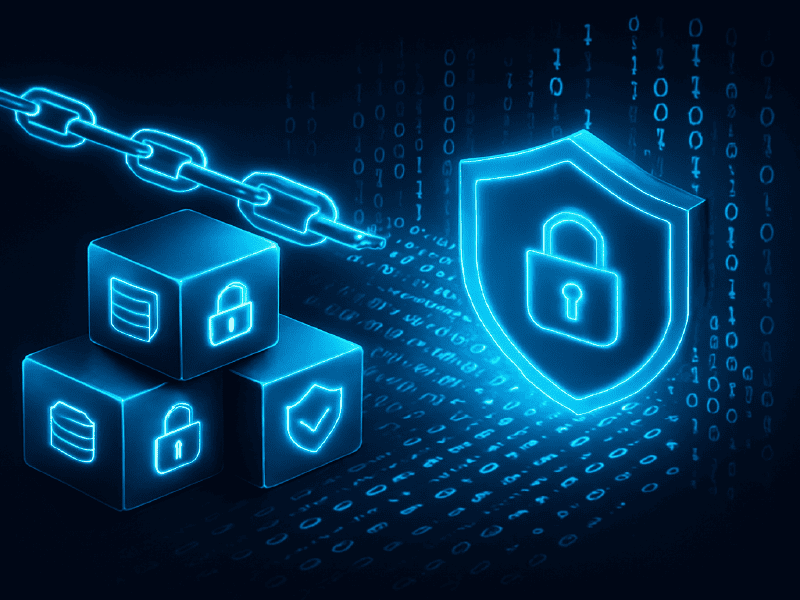
Blockchain technology depends on hashing to maintain transparency and trust. Every block in a blockchain contains a hash that links it to the previous block, ensuring data immutability. A Multi Hash Generator allows users to understand how different hashing algorithms impact blockchain security.
In fintech applications, hashing protects transaction data, digital identities, and sensitive financial records. Multi hash generators support compliance with strict security requirements while enabling fast verification processes. These tools are also useful for blockchain audits, where multiple hash comparisons are required.
As blockchain adoption grows in high-CPM markets, the demand for reliable hashing tools continues to rise. Multi hash generators bridge the gap between complex cryptographic concepts and practical, easy-to-use solutions.
Compliance and Security Standards Supported by Multi Hash Generators
Compliance standards such as PCI DSS, HIPAA, GDPR, and NIST guidelines often require strong data protection measures. Hashing plays a key role in meeting these requirements by ensuring that sensitive information is securely stored and transmitted.
A Multi Hash Generator helps organizations align with these standards by offering multiple hashing options that meet regulatory expectations. For example, healthcare systems rely on secure hashing to protect patient data, while financial institutions use it to safeguard payment information.
By supporting multiple algorithms and verification workflows, multi hash generators enable organizations to adapt to different compliance needs. This flexibility makes them valuable tools for regulated industries where security and accountability are non-negotiable.
Quantum-Safe and AI-Powered Hashing
The future of hashing is evolving rapidly. Quantum-safe hash algorithms are gaining attention as researchers explore how quantum computing could impact traditional cryptographic methods. Multi Hash Generators are expected to incorporate these algorithms to remain future-ready.
AI-powered hashing tools are also emerging, offering smarter security analysis and automated verification. These innovations aim to detect vulnerabilities, optimize workflows, and enhance protection across digital systems.
As technology advances, multi hash generators will continue to adapt, serving as essential tools for cybersecurity, blockchain, and enterprise security in the years ahead.
How Does a Multi Hash Generator Work?
A Multi Hash Generator processes one input through multiple hashing algorithms simultaneously, producing unique hash outputs that can be compared, stored, or verified for security and compliance purposes.
UtilifyZone’s Multi Hash Generator allows users to generate multiple secure hash values online in one step, making file verification, password hashing, and blockchain validation fast and reliable.
https://utilifyzone.com/multi-hash-generator/
1. Is using multiple hash algorithms more secure?
Yes, using multiple hash algorithms improves verification accuracy by allowing comparisons across different security standards, especially for file integrity and compliance checks.
2. Can a hash be reversed to reveal the original data (pre-image resistance)?
No, cryptographic hash functions are designed to be one-way, meaning the original data cannot be reversed from the hash value.
3. Is it possible for two different inputs to generate the same hash (collision resistance)?
While theoretically possible, strong hash algorithms like SHA-256 are designed to make collisions extremely rare and impractical.
4. Why use a “salt” in password hashing?
A salt adds random data to passwords before hashing, protecting against rainbow table attacks and improving overall password security.
5. What are common hash algorithms?
Common hash algorithms include MD5, SHA-1, SHA-256, SHA-512, and CRC32, each used for different security and verification purposes.
6. What are the main uses of hashing?
Hashing is used for password protection, file integrity verification, blockchain validation, digital signatures, and secure data authentication.